the Japanese view of religion
Here is an accurate English translation of the previous response:
The question, “Why do Japanese people go to both temples and shrines?”
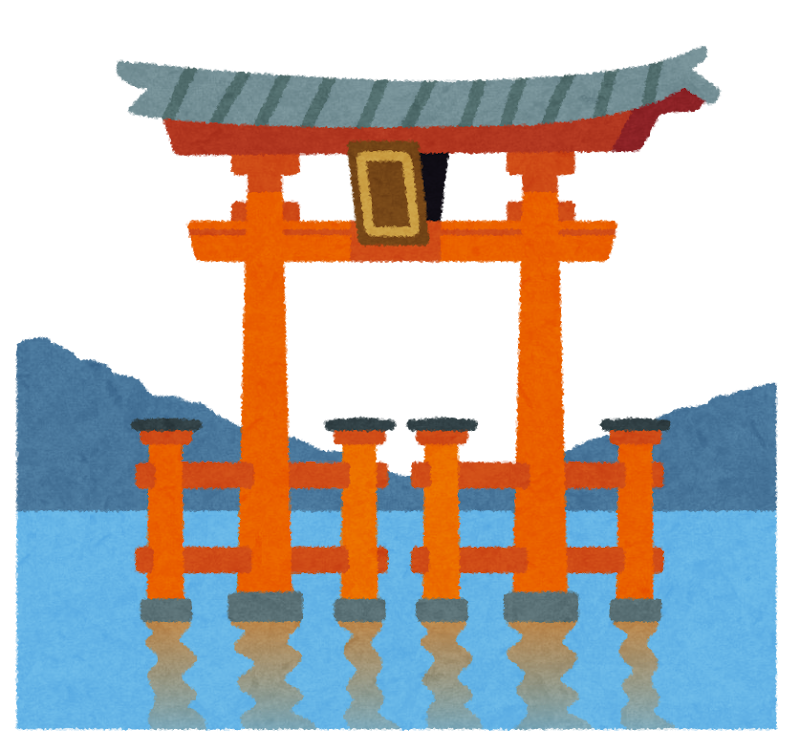
The Japanese view of religion is quitedifferent from that of other countries.
First, in Japan, religion is accepted very flexibly in everyday life.
Rather than strictly adhering to one specific religion, many Japanese people naturally incorporate practices and rituals from
multiple religions.
This way of thinking is deeply rooted in Japanese history.

Coexistence of Shinto and Buddhism
Japan has had Shinto for a long time, which is an indigenous religion centered around nature worship and ancestor reverence.
Shrines are places where Shinto rituals are held, and people visit them to pray for family health, bountiful harvests, and safety.
On the other hand, Buddhism, which came to Japan from China and Korea around the 6th century,
is a religion that focuses on the afterlife and enlightenment. Temples are places where Buddhist rituals are performed,
and they are often associated with ancestor worship and funerals, handling matters related to the end of life.
Practical Usage
Many Japanese people tend to use Shinto for life’s beginnings and everyday prayers,
while they turn to Buddhism for matters related to the end of life and ancestor worship.
For example, when a child is born, the family will visit a shrine for a ritual called “Omiya-mairi,” and weddings are often held at shrines.
However, when someone passes away, funerals are typically conducted at Buddhist temples,
and ancestor memorial services are also done at temples.
In this way, temples and shrines are naturally used for different purposes in daily life.

Religious Tolerance
Japanese people tend not to be bound by a single religion, and they frequently visit different religious facilities as needed.
This stems from a sense of religious tolerance in Japan and the idea that religion is not something that should be imposed on an individual’s life or society.
In summary, the reason why Japanese people go to both shrines and temples
is due to the coexistence of Shinto and Buddhism throughout history, and their flexible approach to using both based on necessity,
without being confined to a specific religion.

